
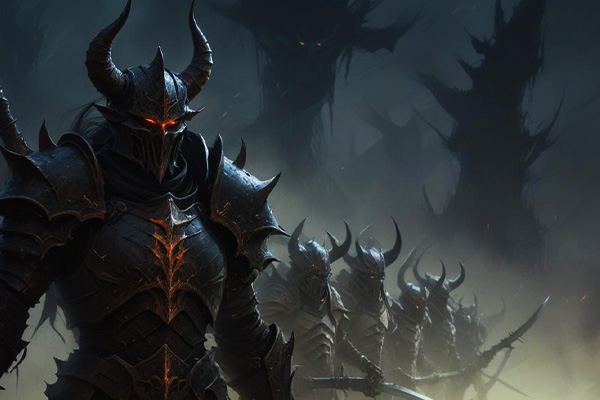
 Path of Exile 2 officially leaves Early Access on December 11, 2026, and the Duelist will join the playable roster as part of the full release. The class arrives alongside Swords, finally adding one of the major weapon families missing from Early Access. Grinding Gear Games has designed Sword combat around connected attacks instead of a rigid sequence built around repeating one skill. The Duelist can enter different Stances, prepare enhanced attacks, parry with certain weapon configurations and combine Sword skills to create follow-up effects. Gamescom gameplay showed several of these systems in action, including Ready Stance, Sand Stance, Blood Stance, Sand Scour, Bloodied Blade, Perforate and Cyclone. These demonstrations give us a strong idea of the class's combat identity, but final skill values, passive tree routes, support setups and Ascendancy choices remain unknown ahead of 1.0.
Mastering the New Sword Combat System
Swords introduce a new melee playstyle to Path of Exile 2. Players can use one-handed Swords, dual-wield them, or combine a Sword with a Shield, while two-handed Sword gameplay also expands the available melee options. The important difference comes from how Sword skills interact with each other. Some attacks can prepare the character for a stronger follow-up, while other abilities change according to the active Stance. The Gamescom demonstration also showed dual-wield Sword parrying, giving players an active defensive option that connects directly with offensive combinations. Rather than simply attacking until an enemy dies, the system encourages players to create openings and use the right follow-up attack for the situation. The final speed and efficiency of these combinations in high-level maps will depend on 1.0 balance and support options, so it remains too early to judge which Sword setup will dominate the endgame.
Understanding Ready, Sand, and Blood Stances
Stances form one of the defining mechanics of the Duelist's Sword gameplay. Certain Sword skills can place the character into Ready Stance, opening access to enhanced versions of other attacks. Ready Stance can then lead into Sand Stance or Blood Stance through specific skill interactions. Sand Scour can move the character toward Sand Stance and introduce sand-based effects that improve the behavior of compatible attacks. Bloodied Blade provides a route into Blood Stance and supports Bleed-focused combinations. Perforate demonstrates the system clearly because its behavior changes depending on the active Stance. Sand interactions can add additional projectiles or area coverage, while Blood interactions can produce blood novas and reinforce Bleed gameplay. This design means players will need to understand which attacks create a Stance and which skills gain additional effects from it instead of treating the system as a simple permanent offensive or defensive toggle.
Sand Scour, Bloodied Blade And Perforate
Several Sword skills shown before launch demonstrate how the Duelist's combinations work. Sand Scour sends out sand-based attacks and can help establish Sand Stance. Perforate follows with a rapid multi-hit attack and gains additional properties through different Stances. Bloodied Blade focuses more heavily on Bleed and provides access to Blood Stance through its combat interactions. Once Blood Stance becomes active, even other attacks can gain new effects. The Default Attack, for example, can produce a blood wave that applies Bleed, while Perforate can generate additional blood novas. These interactions show that the new Sword toolkit does not revolve around selecting one main skill and ignoring everything else. GGG has deliberately created several abilities that can set up, modify, or finish another attack.
Parrying and Active Defense
Dual-wielding swords give the Duelist access to a dedicated parry mechanic that can turn a successful defensive reaction into part of the character's offensive sequence. The Blood Stance system provides one example, where parry-related interactions can help prepare a Bloodied Blade follow-up and transition the character into a stronger Bleed-oriented state. This creates an unusual melee rhythm where reacting to an enemy attack can directly improve your next offensive action. It remains important not to overstate the mechanic before release. GGG has demonstrated parrying in controlled gameplay footage, but the final timing windows, boss interactions and value in heavily populated endgame encounters can still change before December.
Cyclone and Stance Interactions
Cyclone also appears as part of the Duelist Sword toolkit shown at Gamescom. The new version goes beyond simply spinning through enemies. Stance interactions can modify its behavior, with Sand Stance supporting greater area coverage and Blood Stance changing the attack toward a more concentrated offensive version. Gameplay demonstrations also showed Cyclone interacting with elemental effects created on the battlefield, opening the possibility of combining it with other Sword abilities rather than running it entirely on its own. This could make Cyclone an important part of several future Duelist setups, but players should avoid calling it a confirmed top-tier 1.0 build before final gem values, passive tree changes and Ascendancies become available.
Buried Blades and Elemental Combos
The Duelist demonstration also showed attacks that place or interact with blades on the battlefield. These setups can become part of larger skill combinations instead of functioning as isolated damage abilities. Gamescom gameplay demonstrated Sword attacks creating blade formations and other skills adding elemental effects to those areas. Cyclone could then interact with some of the resulting elemental ground effects. This type of chaining highlights one of GGG's main goals for Sword combat: different skills should naturally create opportunities for the next attack. The final list of compatible interactions may expand or change before 1.0, so players should treat the current footage as a preview of the system rather than a complete mechanical reference.
Bleed Seems To Be A Core Part Of Sword Builds
Bleed appears prominently throughout the Duelist gameplay shown so far. Bloodied Blade, Blood Stance and several follow-up attacks interact directly with bleeding enemies, and GGG has also discussed improvements to Bleed alongside the 1.0 update. This makes physical damage and Bleed one of the most obvious directions for future Sword builds. However, it does not mean every Duelist will need to play a Bleed setup. The reveal also showed elemental interactions and several different Sword configurations. Until the complete skill list, support gems, passive tree and Ascendancy nodes arrive, players cannot reliably determine which damage archetype will provide the strongest league starter or endgame build.
The Duelist Ascendancies Are Still Unknown
One of the most important details remains unavailable: Grinding Gear Games has not officially revealed the Duelist's Ascendancy classes. Gladiator, Slayer and Champion belong to the Duelist in the original Path of Exile, but there is currently no confirmation that Path of Exile 2 will reuse those names or mechanics. Trailer imagery, Sword and Shield gameplay, Bleed attacks or Cyclone do not confirm any particular Ascendancy. GGG has already teased that additional Duelist information will arrive before the full release, so detailed Ascendancy builds should wait for those announcements. Any guide currently presenting Gladiator, Slayer or Champion passive trees as confirmed Path of Exile 2 content relies on speculation rather than released 1.0 data.
Do Not Plan A Complete Duelist PoE 2 Build Yet
Players can already study the mechanics shown during the reveal, but creating a complete Duelist build for December remains premature. We still need final Sword base statistics, skill gem values, support compatibility, passive tree changes, Ascendancy nodes and the wider 1.0 balance update. These details can radically change the value of Critical Hits, Bleed, Attack Speed, elemental conversion and defensive investment. Instead of committing to a finished passive tree now, players can decide which broad style interests them most. Dual-wielding can focus more heavily on active parrying and rapid combinations, Sword and Shield can provide another defensive direction, and two-handed weapons can support heavier attacks. Concrete optimization should begin after GGG releases the full 1.0 information.
Preparing For The December 11 Launch
The most useful preparation for a future Duelist player involves learning the existing Path of Exile 2 systems rather than stockpiling equipment for an unreleased class. Understanding item modifiers, resistances, crafting, trading, support gems and endgame progression will transfer directly into 1.0 even when individual balance values change. Current Early Access Sword items cannot form the basis of a final Duelist setup because Swords themselves arrive with the full release. Players should also avoid trying to predict which specific Sword bases, Unique items or crafting materials will command the highest prices before the complete item pool becomes known. Once the 1.0 patch notes and Duelist Ascendancies appear, proper league starter planning can begin with actual numbers instead of assumptions.
Key Takeaway
The Duelist introduces one of the most interesting melee systems shown for Path of Exile 2 so far. Swords combine Ready, Sand and Blood Stances with parrying, Bleed interactions and attacks that modify one another through combat combinations. Sand Scour, Bloodied Blade, Perforate and Cyclone already demonstrate how much the behavior of a Sword skill can change according to the setup that comes before it. At the same time, several crucial pieces remain unknown. GGG has not revealed the Duelist Ascendancies, final passive tree options, or complete 1.0 balance data. For now, the Duelist works best as a mechanics preview rather than a finished PoE 2 build guide. Players can study the confirmed Sword systems and decide which playstyle interests them, then build around real numbers once Grinding Gear Games publishes the complete 1.0 information.
How it works
Sell to us
Sell your items with a few easy steps and get paid in MuleCredits immedately. Credits can be cashed out or spent in our shop.
More articles on this topic
- Fastest Ways to Make Currency in PoE 2 Patch 0.5.5
- PoE 2 Full Release Registration and Rewards Guide
- Top Free Trade and Quality of Life Tools for Path of Exile 2
- The Best League Starter Builds For The Forbidden Rites Event
- Everything You Have to Know About Poe 2’s December 11 Launch
- POE 2 Spirit Walker Ascendancy Guide: Best Huntress Builds and Spirit Choices
- POE 2 Unique Runeforging Guide
