 Reign of the Warlock update has arrived, and it brought a lot of content into Diablo II: Resurrected. It adds a brand new class, pushes endgame farming forward, and gives long time players new reasons to log in beyond the usual ladder routine. The best part is that the update does not try to turn D2R into a different game. It adds fresh content while keeping the old loop intact: build a character, optimize routes, chase drops, then iterate. If you like the classic D2 rhythm, this update gives you more of it, with better tools and bigger targets.
The creator of this content is not affiliated with Mulefactory.
Two decades later, a surprise nobody expected
For years, the assumption was simple: Diablo II is done. Balance tweaks and small quality changes, sure. A full content drop with a new class and a new pinnacle fight? No way. That is why this update hits so hard. It is not a small patch that fades after a week. It is a statement that D2R can still evolve in a meaningful way, even after more than 25 years of the original game’s history. That shock is real, because it instantly pulls veterans back in and gives content creators and theorycrafters something real to chew on. It also changes the mood of the community. Instead of arguing about tiny ladder differences, people are testing new skill trees, new items, and new endgame routes. When an old game gets a surprise update like this, it either breaks the magic or it strengthens it. Reign of the Warlock mostly strengthens it.
It’s a big deal
The update is brought plenty of content and added replay value without deleting what players already love. You can ignore the new stuff and still play classic D2R. Or you can embrace it and get a deeper endgame loop. That optional nature is important. It reduces backlash, keeps the old community happy, and still creates excitement for people who want something new. If the reception stays positive, future updates become realistic for one simple reason: the format works. A focused content drop with clear pillars is easier to maintain than a never ending system overhaul. Add a new chase fight, add a small batch of items, tune balance, then repeat. If Blizzard sees that players are buying it, streaming it, and actually grinding the new endgame, there is a clear incentive to continue. The smart path is to keep updates rare but meaningful, rather than constant and noisy.
Balanced with MrLlamaSC
One of the most encouraging parts is that the update aims for balance and clarity instead of power creep everywhere. When changes are built with experienced community voices involved, the result is usually less random. The builds have strengths and weaknesses, the new items have clear roles, and the endgame content asks you to play well, not just stack numbers. That matters because D2R is fragile. Small changes can warp the economy, the meta, and ladder pacing. This update largely avoids that by keeping the additions targeted. The Warlock has a real identity, but it does not delete older classes. The new runewords fill gaps, but they do not instantly replace every classic staple. The pinnacle encounter is rewarding, but it is also a real build check. That combination is what keeps the game healthy after the hype fades.
Warlock, the new class
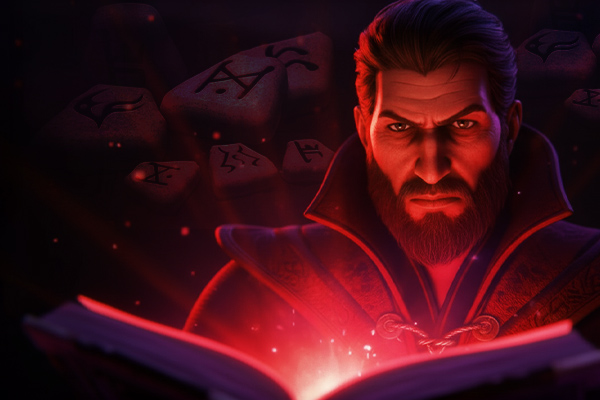
On top of the content tsunami blizzard, they have added a new class to the expansion: The Warlock. It's built around demon binding, controlled damage patterns, and flexible identity. It can play like a ranged zone caster that melts packs at the edge of the screen. It can play like a Magic damage over time controller where you tag enemies, keep them grouped, then move while damage ticks. It can even play as an aggressive melee AoE build that turns monster density into profit. The key mechanic is that you are not just casting at targets; you are shaping the fight. You choose where the pack stands, how it moves, and when you commit. That makes Warlock naturally good for farming content where density and tempo decide your results. It also makes the class fun to build because it is not locked to one tree. You can level Fire for speed, respec into Magic for Hell stability, and then later switch into Cleave style if you end up with the weapon and defenses that support it.
New items and new D2R runewords
The new items are there to do two jobs: give Warlock proper gear identity and add new gearing options for everyone. The new Grimoires function like class defining offhands. They can push skill scaling, add key breakpoints, and support specific playstyles instead of being generic stat sticks. The general Uniques also lean into practical farming value: movement, cast speed, hit recovery, resistance reduction, and sustain. Those are the stats that change run speed in real gameplay, which is really useful in the game’s early state when you can’t afford D2R Enigma. The runewords follow the same logic. There are not many of them, but each has a clear purpose. Some of the new items are clearly aimed at early progression, helping builds come online faster and reducing the usual leveling friction. Others are more focused on mid game stability, smoothing out tempo and making runs safer and more consistent. There are also options that support aggressive melee uptime, as well as late game caster setups built around high breakpoints and stronger scaling.
Terror Zone updates
Terror Zones were already a good system because they made the world relevant again. The update pushes that idea further by making Terror Zones more central to endgame progression. This is important because it changes the farming map. Instead of everyone doing the same two routes forever, you get stronger reasons to follow the rotation, adapt builds, and optimize for different layouts. That keeps the economy moving and keeps ladder sessions from going stale too quickly. It also creates a natural bridge into the new pinnacle content. If the best way to engage with the new chase mechanics is to run Terror Zones, then the endgame pocess becomes tighter: rotate zones, kill the right bosses, gather what you need, then attempt the big fight. That structure is exactly what D2R needed to make endgame feel like more than repeating the same short list of areas.
Colossal Ancients, the new pinnacle fight
Colossal Ancients is the headline endgame challenge. It is designed to test builds in a way that typical farming does not. The fight ramps up as you progress, so the later phase punishes sloppy play and weak defenses. That is a good thing, because it makes the encounter something you learn and master, not something you brute force once and ignore. The reward system is also smart. It gives you unique jewels and ties outcomes to kill order, which adds planning and repeatability. Since only one of those jewels can be equipped at a time, the system avoids the worst kind of power stacking. You get a meaningful upgrade in one socket, not a permanent arms race of stacking ten new effects. The result is a chase target that feels worth farming but does not instantly invalidate existing endgame goals like runewords, charms, and perfect rolls.
Conclusion
Reign of the Warlock is a rare example of a modern content update to an evergreen classic. It adds a new class with a real identity, introduces new D2R items and D2R runewords with a clear purpose, upgrades Terror Zones into a stronger endgame backbone, and gives players a genuine pinnacle encounter to learn and farm. The big win is that none of this requires D2R to stop being D2R. If the community keeps responding well, this format is exactly the kind that can support more updates in the future: focused, replayable, and built around the challenge that made the game legendary in the first place.
How it works
Sell to us
Sell your items with a few easy steps and get paid in MuleCredits immedately. Credits can be cashed out or spent in our shop.
More articles on this topic
- Colossal Ancients Difficulty Increase in D2R Season 14: What to Expect
- Diablo II: Resurrected Ladder Season 14 Patch 3.2 Summary
- Sunder Charm Farming After D2R Patch 3.2
- Terror Zone Changes in Diablo II: Resurrected Season 14
- Diablo 2 Resurrected Crafting Guide for Beginners
- D2R Socketing Guide: Larzuk Vs Cube Recipe And When To Use Each One
- D2R: RotW Season 13 Meta After One Month
- Magic Warlock Endgame Farming Guide
