
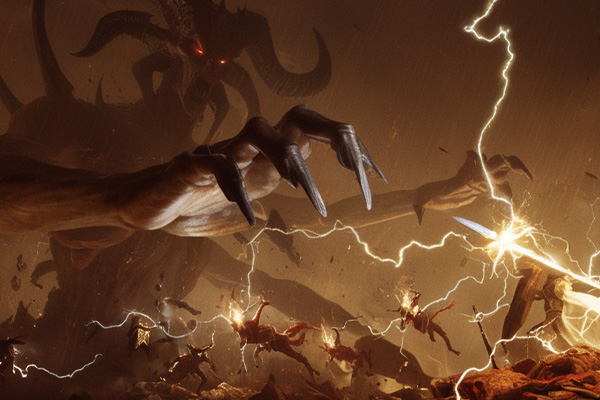
 The Warlock is built around control, corruption, and demonic force. For players who enjoy dark fantasy classes, this archetype offers one of the most satisfying ways to fight through Sanctuary. A good Warlock build lets you weaken enemies before they reach you, spread damage across entire groups, summon demonic allies, and punish bosses with heavy shadow-based attacks. Beginners often look for a class that has clear combat rhythm, strong visual identity, and enough safety to handle mistakes during leveling. The Warlock fits that goal through curses, damage over time effects, ranged pressure, and protective dark magic. This guide focuses on a practical beginner build that helps you understand the class step by step. You will learn which skills to prioritize, how to manage resources, how to use summons, which stats matter most, and how to approach dungeons, bosses, and early endgame content. The aim is to create a Warlock that plays smoothly from the first levels onward while still giving you room to grow into advanced setups later. With the right choices, the Warlock becomes a deadly force that controls the battlefield, drains enemies over time, and uses demonic energy to turn dangerous encounters into manageable fights.
Why the Warlock Is a Strong Beginner Choice
The Warlock gives beginners a flexible way to fight because the class can deal damage from a safer distance while controlling the pace of combat. Curses weaken enemy groups, shadow spells apply steady pressure, and demonic summons help distract enemies during crowded encounters. This combination makes leveling smoother because you can prepare enemies before they reach full danger. A beginner Warlock build also teaches useful Diablo IV habits, including target priority, cooldown timing, movement, and resource control. The class rewards planning, although the basic gameplay loop remains easy to understand. You curse enemies, summon support, spread damage, and finish stronger targets with focused spells. The Warlock’s identity also helps new players stay engaged. Every ability has a clear purpose, from draining life to empowering demons or spreading corruption. As your gear improves, the class scales well through shadow damage, damage over time bonuses, cooldown reduction, critical effects, and summon-related affixes. That steady progression makes the Warlock a smart choice for players who want power, safety, and a dark magical playstyle.
Core Skill Strategy
Your core skill should be the heart of the Warlock build. For beginners, the best choice is a shadow spell that hits multiple enemies or applies a lasting corruption effect. Area damage gives you faster dungeon clears, while damage over time helps during boss fights where constant movement interrupts direct casting. A strong beginner core skill should have reliable targeting, manageable resource cost, and clear synergy with curses. When you apply a curse first, your main spell should deal stronger damage or spread more easily across affected enemies. Early skill points should strengthen this ability before you branch too far into secondary options. Upgrades that increase shadow damage, extend duration, improve spread, or restore resources after hitting cursed enemies are especially valuable. A good core skill lets you clear most regular packs with a simple rhythm. Curse the group, cast your main spell, move to a safe angle, and repeat. This keeps the Warlock active, controlled, and easy to understand during the full leveling process.
Best Curse Setup for Leveling
Curses define the Warlock’s combat identity. A beginner-friendly curse should make enemies weaker, slower, more vulnerable to shadow damage, or easier to finish when their health drops low. The best leveling curse is one that works in every situation, from small packs to dungeon bosses. You want a curse that improves your main damage skill while also reducing incoming pressure. A slow or damage reduction effect is useful because it gives you more space to cast safely. A vulnerability-focused curse improves clear speed and helps your summon deal better damage. During leveling, apply your curse before spending major resources on damage spells. This small habit makes the entire build more efficient. Curse upgrades can also add resource recovery, healing, or explosion effects when enemies die. Those effects create a chain reaction in dense packs, making dungeons feel faster and more rewarding. Once curse timing becomes natural, the Warlock starts to feel like a true battlefield controller.
How to Use Demonic Summons Properly
Demonic summons give the Warlock extra pressure and safety. A beginner build should use at least one summon that can attack enemies, draw attention, or apply a useful debuff. Summons help smooth out combat because they keep enemies occupied while you cast from range. The best beginner summon is durable, easy to manage, and useful against both packs and bosses. Damage-focused demons help clear faster, while tankier demons make the build safer during leveling. Summon upgrades should support your chosen playstyle. If you want smoother dungeon runs, choose upgrades that improve area attacks or target cursed enemies. If survival is your priority, choose upgrades that increase summon durability or grant protective effects when the demon attacks. Positioning matters too. Let your summon engage first when entering dangerous rooms, then apply curses and shadow damage from a safer angle. This simple order gives you more control and reduces sudden damage spikes. A well-used summon makes the Warlock feel stronger and more stable.
Best Defensive Tools for Warlock Survival
The Warlock has access to dark defensive magic that can absorb damage, reduce enemy pressure, or create a short escape window. Beginners should include one reliable defensive skill in every build. A barrier spell, shadow step, fear effect, or life-drain shield can make a huge difference during elite encounters. The best defensive tool activates quickly and gives immediate value. Long setup times can become risky when fast enemies close the gap, so simple protection usually works best. Use your defensive skill before your health drops too low, especially when multiple elites attack at once. Defensive upgrades that reduce cooldowns, add healing, or trigger extra protection near cursed enemies are excellent for leveling. The Warlock has strong ranged pressure, though survival still depends on smart timing. Keep moving between casts, avoid standing inside ground effects, and save your defensive spell for meaningful danger. This creates a safe rhythm where you control enemies from distance and protect yourself when they break through.
Best Ultimate Skill for Demonic Power
The Warlock ultimate should deliver a dramatic power spike. For a beginner build, the ideal ultimate summons a greater demon, unleashes a large shadow eruption, or massively empowers your curses for a short time. Choose an ultimate that helps in the hardest moments: elite packs, boss phases, strongholds, and dungeon events. A greater demon ultimate works well for players who enjoy summon support, because it adds pressure while you continue casting. A shadow eruption ultimate works well for fast clearing, especially when enemies are grouped tightly. A curse-based ultimate can improve both damage and control, making dangerous enemies easier to manage. Use the ultimate when it changes the outcome of a fight. Saving it forever slows progression, while spending it on weak packs wastes its impact. The best timing usually comes when enemies gather around your summon or when a boss enters a heavy damage phase. With practice, your ultimate becomes the button that turns chaos into control.
Best Stats and Gear Priorities
Warlock gear should support shadow damage, curse uptime, survivability, and resource flow. Weapon damage matters because it improves your main spell output. Intelligence-style scaling, critical chance, damage over time, shadow damage, damage to cursed enemies, cooldown reduction, and resource generation are all strong offensive priorities. Defensive stats matter during leveling because the Warlock can take heavy damage when enemies close distance. Life, armor, resistances, barrier generation, and damage reduction from cursed enemies give the build more stability. During early levels, upgrade your weapon whenever the damage increase is clear. Once your gear choices become more detailed, look for affixes that match your main skill and curse setup. A staff may offer high spell damage, while a wand and off-hand combination can provide faster casting and stronger utility bonuses. Choose the setup that supports your current build. Strong gear should help you cast more often, hit harder, survive longer, or keep curses active across every fight.
Best Legendary Effects for a Beginner Warlock
Legendary effects should make your main loop stronger. A beginner Warlock benefits from powers that spread curses, increase shadow damage over time, empower summons, or grant protection when cursed enemies attack. Automatic effects are especially useful because they add value without complicating the rotation. A legendary that spreads your main curse after an enemy dies can speed up dungeon clears. A power that causes shadow explosions on cursed targets can turn dense packs into chain reactions. A summon-focused effect can make your demon attack cursed enemies harder or protect you when it lands critical hits. Defensive legendary powers also deserve attention, especially while leveling into harder content. A barrier that triggers after taking damage or a healing effect tied to shadow damage can save runs. The goal is to connect every legendary to your main theme. When your curse, shadow skill, summon, and defensive effect all support each other, the Warlock starts to scale smoothly and consistently.
Simple Warlock Rotation for Dungeons
A beginner Warlock rotation should feel controlled and repeatable. Start by sending your summon toward the first pack or positioning so enemies group up. Apply your main curse to the largest cluster, then cast your core shadow damage skill into the cursed group. Move slightly after casting to avoid projectiles and ground effects. Reapply your curse when new enemies enter the fight or when elite enemies remain alive. Use your defensive spell when pressure reaches you or when dangerous affixes activate. Against larger groups, wait until enemies stack together before using your ultimate, because grouped enemies take more value from area damage and curse effects. After the main pack dies, let lingering damage finish weaker enemies while you move toward the next objective. This rhythm keeps the build efficient. The Warlock becomes strongest when you prepare enemies first and spend resources second. With practice, dungeon clears become smoother because every pack follows a familiar pattern.
Boss Fighting Tips for Warlock Players
Boss fights require a slightly different rhythm than regular dungeon packs. Your summon helps maintain pressure while you focus on movement, curse uptime, and safe casting windows. Apply your curse early and refresh it whenever the boss moves into a new phase. Use your core shadow skill whenever you have a safe opportunity, especially if the damage continues ticking while you dodge. Keep your defensive skill ready for large boss attacks, add phases, or moments where movement becomes restricted. Your ultimate should line up with boss vulnerability windows, stagger phases, or periods where the boss stays still long enough to take full damage. Summons may need support during long encounters, so watch for effects that boost their durability or restore their strength. Stay patient during boss fights. The Warlock wins through controlled pressure and steady damage. When you maintain curse uptime, avoid predictable attacks, and use cooldowns calmly, bosses become much easier to handle.
Best Leveling Path From Early Game to Endgame
A smooth Warlock leveling path begins with your main damage skill and one curse. Early points should improve clear speed and resource comfort. Once your damage feels stable, add a summon to create more safety and pressure. After that, invest in defensive tools and passives that improve shadow damage, curse effectiveness, and survivability. During the campaign, focus on a consistent build theme. Switching skills every few levels can slow your progress because your gear and upgrades lose direction. Dungeons are a great place to test your setup because they give you enemy packs, elites, bosses, and objectives in one complete loop. As you approach endgame, begin collecting legendary effects that support your chosen theme. A curse-spreading effect, a shadow damage boost, or a summon empowerment power can shape your future build. At endgame, decide whether you want a pure shadow caster, a demon commander, a curse specialist, or a hybrid setup that combines all three strengths.
Resource Management and Casting Flow
Warlock resource management becomes easier when you treat every cast as part of a planned sequence. Your curse should usually come first because it makes later casts more valuable. Your main damage skill should follow once enemies are grouped or committed to attacking your summon. Basic attacks, passive recovery, and resource-based legendary effects help refill your pool between heavier casts. Beginners should avoid emptying their entire resource bar into scattered enemies. Group enemies, curse them, then spend resources where the damage matters most. Cooldown management also affects resource flow. If your summon and defensive spell are both unavailable, play more carefully and use lighter casts while repositioning. When all tools are ready, you can pull more aggressively and use heavier spells. Good Warlock play has a rhythm that feels deliberate: prepare, curse, corrupt, move, recover, and repeat. Once that rhythm becomes natural, the class feels much stronger and far less demanding during longer dungeon runs.
Common Beginner Mistakes to Avoid
Many new Warlock players spread their skill points across too many damage abilities too early. A focused build performs better because upgrades, gear, and legendary effects can support one main plan. Choose a main shadow skill and build around it. Another frequent issue is forgetting to curse enemies before casting high-cost spells. Curses increase efficiency and make fights safer, so they should become part of your opening rhythm. Some beginners also stand still too long while channeling or repeatedly casting. The Warlock has strong ranged power, yet movement remains essential in Diablo IV. Cast, move, and cast again from a safer angle. Summons can also lose value when players ignore positioning. Let your demon engage first when possible and use its presence to group enemies. Finally, many players save their ultimate for too long. Use it during elite packs, boss phases, and dungeon events where it meaningfully speeds up the fight.
How to Build Around Curses and Shadow Damage
A curse and shadow damage build creates one of the smoothest Warlock playstyles for beginners. The idea is simple: cursed enemies take stronger punishment from your shadow abilities, and dying enemies help spread damage through the pack. This creates a natural chain effect during dungeon clears. To strengthen this setup, prioritize passives and gear that increase damage to cursed enemies, shadow damage over time, cooldown reduction, and resource recovery after cursed enemies die. Legendary effects that spread curses or trigger shadow bursts are especially valuable. This build style works well because it handles mixed content. Small enemies melt through spreading damage, elites become easier to control, and bosses take steady pressure while you dodge mechanics. Summons add another layer by attacking cursed targets or keeping them grouped. As your gear improves, the build becomes faster and more explosive. For beginners, curse and shadow synergy gives a clear path from early leveling into more refined endgame setups.
How to Build Around Demonic Summons
A summon-focused Warlock build works well for players who enjoy commanding allies and controlling fights from behind the front line. Your demon serves as a source of damage, distraction, and sometimes protection. To support this playstyle, choose skills and passives that improve summon damage, durability, attack speed, and synergy with curses. A strong summon build still needs a reliable shadow spell because you should contribute direct damage while your demon holds pressure. Curse enemies so your summon hits harder, then use shadow attacks to finish groups. Gear that boosts summon power, damage to cursed enemies, and cooldown reduction helps the build feel smoother. Defensive stats remain important because enemies will still reach you during crowded fights. A summon-focused Warlock can feel very comfortable during leveling because your demon gives you breathing room. In endgame, this style can evolve into a true demon commander setup where your summoned forces become the centerpiece of your damage and control.
How to Prepare for Early Endgame Content
Early endgame is where your beginner Warlock build starts needing more focus. Enemy damage rises, elite affixes become more punishing, and weak gear choices become easier to notice. Start by improving your weapon and checking that your main affixes match your build. Shadow damage, damage over time, cooldown reduction, resource generation, life, armor, and resistances should become priorities. Next, refine your legendary setup so each power supports your core loop. A curse-spread effect, summon boost, defensive barrier, and shadow damage increase can form a strong early endgame foundation. Practice dungeon pacing as well. Pull enemies in controlled groups, avoid fighting multiple elite packs at once, and save your ultimate for dangerous rooms. Upgrade gems and defensive layers before pushing harder content. The Warlock has strong tools for early endgame because curses, summons, and shadow damage all scale with smarter play. A focused setup will carry you much further than random high-level items with weak synergy.
Best Playstyle Tips for Smooth Progression
The best Warlock players control the fight before the fight becomes dangerous. Approach each room carefully, let enemies group, curse the main pack, and use shadow damage where it hits the most targets. Keep moving between casts and avoid standing directly in front of fast melee enemies. Use your summon to create space and direct enemy attention. When your defensive skill and ultimate are available, you can take larger pulls and clear faster. When those cooldowns are missing, slow the pace and fight from safer angles. Watch elite affixes closely because some enemies can rush through your summon and pressure you directly. Save your defensive skill for those moments. During leveling, replace weapons regularly and keep gear with useful affixes for your build theme. A smooth Warlock run comes from preparation, rhythm, and patience. Once you understand how curses, shadow damage, and summons support each other, the class becomes one of the most enjoyable dark caster options in Sanctuary.
Conclusion
The Warlock gives players a powerful way to experience Diablo IV through curses, shadow magic, and demonic allies. The strongest starting setup uses one reliable shadow damage skill, one universal curse, one dependable summon, one defensive tool, one sustain or resource option, and one high-impact ultimate. This structure keeps combat easy to understand while giving the class enough depth to stay exciting through leveling and early endgame. The Warlock shines when every ability supports a clear rhythm: prepare enemies with curses, spread corruption, let your demon apply pressure, move safely, and unleash your ultimate when danger peaks. Gear choices become simpler when you focus on shadow damage, damage to cursed enemies, cooldown reduction, resource generation, life, armor, and resistances. Legendary effects should strengthen your main setup by spreading curses, empowering summons, improving shadow damage, or protecting you during heavy pressure. As your confidence grows, the same beginner foundation can evolve into a shadow caster, demon commander, curse specialist, or hybrid endgame build. With smart skill choices and steady practice, the Warlock becomes a dark, controlled, and highly satisfying class for cutting through the enemies of Sanctuary.
How it works
Sell to us
Sell your items with a few easy steps and get paid in MuleCredits immedately. Credits can be cashed out or spent in our shop.
More articles on this topic
- Paladin or Warlock in Diablo 4 Lord of Hatred: Which Class Should You Start With?
- Diablo 4: Lord of Hatred Paladin Build Guide for Beginners
- Skovos in Diablo 4 Lord of Hatred: A Complete Guide to the New Region
- Is Diablo 4 Worth Returning to After Lord of Hatred?
- Diablo 4 Lord of Hatred Is Out: Every New Feature Explained
