
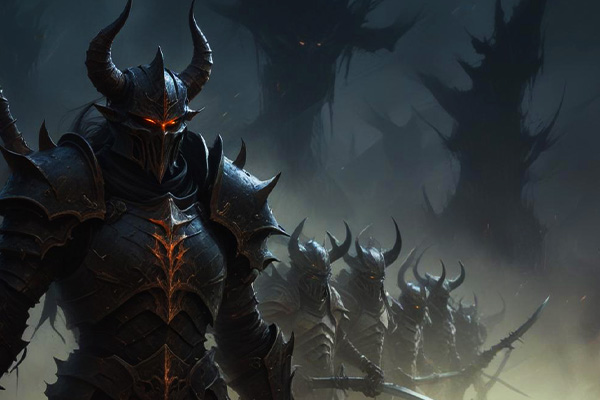
 Path of Exile 2 Patch 0.5, Return of the Ancients, gives the game a more complete late-game structure and a stronger reason to keep developing a character after the campaign. The update improves the Atlas, adds new quest direction, expands major mechanics, introduces Runes of Aldur, and brings fresh crafting decisions through runes, Verisium, alloys, and Kalguuran gems. Maps lead into broader Atlas progress, seasonal encounters provide crafting materials, boss routes have clearer preparation steps, and character upgrades have more ways to develop over time. The update also changes the approach of league starters, farming routes, defensive layers, and final boss readiness. A character now needs a cleaner plan from the first Waystone onward, because mapping, crafting, and encounter access all feed into each other. You will see how the Atlas works differently, which mechanics gained more value, how Runes of Aldur affects gear planning, and what kind of build preparation helps most as you move toward high-tier maps and major bosses.
The Atlas Now Has Better Direction
Patch 0.5 gives the Atlas a clearer structure, which makes the post-campaign phase easier to read. After finishing the acts, players now have a stronger sense of where to go and why each map choice matters to progression. The improved layout supports route planning, regional focus, and better content selection. This helps a new character move from basic Waystone farming into more meaningful Atlas expansion without feeling lost between random nodes. Map paths also connect more naturally with league mechanics and boss preparation, so every completed area can support a larger goal. A fast-clearing build can push toward dense content and wide layouts, while a sturdier character can favor more controlled encounters and boss routes. The Atlas still rewards exploration, yet Patch 0.5 gives that exploration a firmer structure. This makes the first mapping phase smoother, especially for players who want clear progress without studying dozens of external guides before placing their first points.
Post-Campaign Storylines Add a Stronger Roadmap
Return of the Ancients adds more direction after the campaign through new storylines and clearer objectives. This gives players a better roadmap once the main acts are finished. The old feeling of stepping into maps and wondering what to chase first is reduced because the update points characters toward progression goals, stronger encounters, and expanded systems. These storylines help connect mapping with boss access, league mechanics, and character improvement. A map session can now serve multiple purposes at once: gaining Atlas progress, collecting crafting materials, improving gear, unlocking routes, and preparing for harder fights. That layered structure gives the game a better rhythm after the campaign. Players who like guided goals can follow the new objectives closely, while players who prefer open farming still benefit from the clearer background structure.
Early Mapping Gets Better
The first maps in Patch 0.5 give your character a real chance to grow. A character can gain Atlas progress, gather Runes of Aldur materials, test build strength, collect better PoE 2 item bases, and start shaping a farming direction. This phase works best when the focus stays on stability. Resistances, movement speed, recovery, and main skill damage all need attention before the character pushes into harder content. Early map deaths usually show a clear weakness: low elemental coverage, weak weapon damage, poor recovery, or slow reaction options. The updated structure makes those weaknesses easier to identify because players meet a wider mix of encounters sooner. Runes and common crafting materials can help smooth out rough gear slots, especially boots, rings, weapons, and body armor. A solid early mapping setup gives the character space to grow without constant setbacks. Patch 0.5 rewards clean basics, steady upgrades, and careful map modifier choices.
Major League Mechanics Have Clearer Roles
Patch 0.5 gives several major mechanics a stronger identity in the Atlas. Breach, Ritual, Delirium, Expedition, and Abyss each have a more defined place in progression and farming. This is valuable because players can choose content based on build strength instead of treating every mechanic as equal. Breach suits fast characters with strong area clear. Ritual supports builds that can survive structured arena combat. Delirium favors speed, layered defense, and forward pressure. Expedition rewards careful reading, controlled detonations, and builds with enough damage to handle dangerous modifier stacks. Abyss now has a stronger connection to boss routes and deeper map progression. This improved separation helps players specialize earlier. A character that struggles in one mechanic may perform well in another. The update makes it easier to match the Atlas plan to the build, which leads to smoother farming and better results over time. Good content selection becomes part of character planning.
Breach Is Built Around Speed and Control
Breach remains one of the best tests for clear speed in Patch 0.5. The mechanic fills the screen with enemies and asks the build to move, kill, and recover quickly. Projectile builds, strong area spells, bow setups, and fast melee characters can perform well when their damage reaches across the opening space. The danger comes from being surrounded, losing momentum, or running out of recovery while the encounter expands. A good Breach character needs more than damage numbers on a tooltip. Movement, flask uptime, resistances, and crowd control all contribute to clean clears. The updated Atlas support makes Breach farming easier to plan, so players can commit to it when their build fits the style. If Breach feels smooth, the character likely has enough area coverage for many mapping routes. If it feels messy, gear should improve survival, movement, or pack damage before heavier investment. Patch 0.5 gives Breach a clearer place as the speed-focused farming choice.
Ritual Supports Careful Arena Combat
Ritual works well in Patch 0.5 because its fixed combat space creates predictable pressure. Players activate the encounter, fight waves of enemies, and manage danger inside a limited area. This makes build control very important. Chills, freezes, stuns, barriers, minions, block, and strong recovery can all help the character stay alive while enemies gather. Ritual also rewards preparation before activation. Flasks should be ready, dangerous map modifiers should be considered, and the player should know where to move when the arena becomes crowded. The updated passive support makes Ritual a stronger target for players who enjoy measured fights and consistent decision-making. It can produce useful items and currency while testing whether the character handles repeated pressure. Ritual is especially helpful for builds that prefer defined combat spaces over constant movement across open maps. In Patch 0.5, it stands as a reliable choice for players who want combat that feels focused, readable, and tied to steady Atlas progress.
Delirium Has Better Combat Readability
Delirium gains value in Patch 0.5 through clearer visual feedback and improved readability. The fog has always created tension by pushing the player forward, and the updated progress display helps players judge how far they are into the encounter. That makes decision-making easier during active combat. A character can decide when to push deeper, when to slow down, and when the danger has grown too high for the current gear. Delirium still demands strong clear speed, mobility, and recovery. Dense monster packs and rising pressure can punish characters with weak defenses or poor resource sustain. The best Delirium maps usually have layouts that allow smooth forward movement, while cramped or awkward areas can make the mechanic harder to control. Patch 0.5 improves the way Delirium communicates its state, which helps players make cleaner choices. For builds with enough speed and protection, it remains one of the most exciting farming routes in the Atlas.
Expedition Gains Seasonal Importance
Expedition becomes more important in Patch 0.5 as well, because it connects well with the Runes of Aldur theme and the broader crafting direction of the update. The mechanic already asks players to read modifiers before starting the fight, and that careful setup becomes even more valuable when seasonal materials and dangerous encounter chains are involved. Expedition rewards planning. A poor detonation path can create brutal enemy combinations, while a thoughtful setup can produce strong returns with manageable risk. Builds with good single-target damage, movement, and recovery handle Expedition better because rare enemies can become very durable. This mechanic also supports players who enjoy crafting, trading, and reading encounter details. Patch 0.5 makes Expedition more connected to the overall season through Remnants, Verisium, and item improvement routes. The result is a slower, more deliberate farming choice that can produce meaningful materials. It works best for players who want tactical encounters and gear-focused progression.
Abyss Pushes Toward Bigger Encounters
Abyss receives a stronger role in Patch 0.5 through deeper progression and a clearer connection to major boss routes. The mechanic asks players to chase cracks, clear sudden enemy waves, and enter more dangerous areas when the path opens. This creates a different tempo from arena-based or stationary mechanics. Mobility is important because the encounter moves across the map, while burst defense is needed when enemies spawn quickly. Abyss can also test whether a build handles both movement and concentrated danger. Characters preparing for major encounters benefit from farming this content because it develops both resources and combat experience. The route toward bosses such as Vessel of Kulemak gives Abyss a stronger purpose in the wider Atlas plan. Players who enjoy moving encounters and layered combat may find it especially rewarding. Patch 0.5 turns Abyss into a more meaningful route for characters that want to progress beyond routine map clearing and into serious boss preparation.
Runes of Aldur Adds a Crafting Layer
Runes of Aldur is the central seasonal system in Patch 0.5, adding Runic Remnants, rune recipes, Verisium, alloys, socketed runes, and Kalguuran gems. This gives characters more ways to improve gear through seasonal play. A Remnant encounter can lead to crafting materials, useful runes, recipe outcomes, or items that support future upgrades. Verisium and alloys add extra depth because they can improve rare gear when used on strong bases. Socketed runes help patch weaknesses or push a build’s main strength higher. During the campaign, this system can provide simple upgrades. In PoE 2 maps, it becomes a major source of character growth and trade value. The best use comes from saving rare materials for items with real potential. A good PoE 2 weapon, shield, amulet, or body armor can become far stronger when paired with the right seasonal craft. Patch 0.5 makes gear development more connected to active play, because the materials come from fights, league mechanics, and pushing maps instead of relying only on drops or trade.
Verisium and Alloys Change Item Planning
Verisium and Runic Alloys add a more deliberate layer to rare PoE item crafting. These materials are valuable because they encourage players to think about the base item before spending resources. A strong base with useful existing stats can become a long-term upgrade. A weak item with scattered modifiers will usually remain weak even after investment. This changes how players evaluate loot during maps. Weapons with high base damage, caster items with skill levels, shields with life and resistances, and armor with strong defensive rolls deserve closer attention. Alloys can help shape PoE 2 items toward specific outcomes, while Verisium supports deeper crafting routes tied to the league. The update rewards stash organization as well. Keeping promising bases, runes, and materials grouped together makes crafting decisions much easier. It gives players more control over gear growth, and that control becomes stronger when every craft has a clear purpose. Smart material use can save PoE 2 currency and improve progression speed.
Runic Ward Adds Another Defensive Layer
Runic Ward is one of the most interesting defensive additions in Runes of Aldur because it supports both protection and skill usage. It can help soften dangerous hits, and it also powers Kalguuran gems. This makes Ward planning a real part of character building. A player using Ward-based skills needs enough of the resource to activate those skills while keeping some protection available during combat. Armor pieces, runes, and crafting choices can all support this layer. Ward Rune, Warding Rune of Reinforcement, and Warding Rune of Protection can help different setups depending on whether the character wants flat protection, scaling value, or periodic absorption. Runic Ward works especially well with hybrid defensive plans, where life, Energy Shield, armor, evasion, or block already cover part of the danger. The update encourages players to think about survival through several smaller layers working together. In difficult maps, Remnants, trials, and bosses, that extra protection can make the difference between a clean clear and a failed attempt.
Kalguuran Gems Add New Skill Options
Kalguuran gems expand build planning by adding skills that use Runic Ward as their resource. These gems can provide damage, protection, utility, minion support, or battlefield control depending on the skill. Their biggest impact comes from the way they link active skill use to defensive planning. A character can add one Kalguuran gem as a support tool, or build more heavily around the system with enough Ward investment. Offensive options can help clear packs or create burst windows. Defensive choices can protect against dangerous spikes. Utility gems can improve space control, timing, or resource flow. Minion options may open new routes for summoner setups. The main decision is whether the skill solves a real problem in the build. If it improves damage uptime, safety, or map flow, it deserves testing. If the resource cost creates danger, gear needs more support before serious use. Patch 0.5 gives creative players more room to experiment while keeping the system tied to meaningful gear choices.
Bossing Is More Structured
Patch 0.5 gives boss progression a clearer path through Atlas growth, seasonal systems, Abyss routes, Citadels, and league-linked encounters. This helps players understand that major fights require preparation across several areas of the game. A good bossing character needs reliable single-target damage, capped resistances, clean movement, strong recovery, and flasks or charms that answer the fight’s main threats. The update makes the climb toward major encounters feel more connected to mapping and crafting. A character farms maps, gathers materials, improves gear, follows access routes, then enters the fight with a better foundation. Bosses such as Vessel of Kulemak, The Bodach, Tangmazu, and Olroth-linked encounters ask for more than quick campaign damage. They test whether the build can handle pressure over time. Patch 0.5 gives players more ways to prepare through runes, Verisium, Atlas planning, and mechanic specialization. Better structure makes high-level boss attempts feel earned through steady character growth.
Atlas Passive Planning More Important
Atlas passive planning gains more weight in Patch 0.5 because major mechanics have clearer farming identities. Points spent on Breach, Ritual, Delirium, Expedition, Abyss, or other routes can shape the entire map experience. This turns the Atlas into a second build, focused on content rather than character stats. A fast projectile build might chase dense mechanics that reward movement and area clear. A tankier character may prefer controlled combat or boss routes. A crafting-focused player can invest in mechanics that produce materials and valuable item bases. The best passive choices come from matching the tree to your build’s strengths and current goals. Early points can support safety and map completion. Later points can sharpen income, crafting access, or boss preparation. Respeccing may also make sense as the character changes from leveling gear into stronger equipment. Patch 0.5 rewards players who treat Atlas planning as an active decision.
Build Planning Changes After Patch 0.5
Character planning changes because Patch 0.5 asks builds to handle a wider range of pressure. Clear speed still has value, although survival, recovery, single-target damage, and crafting potential now carry more weight. A league starter should be able to handle Runic Remnants, early map bosses, chosen Atlas mechanics, and gradual gear upgrades without relying on rare items too early. Attack builds need weapon updates and enough defense to survive dangerous seasonal encounters. Spell builds need skill levels, cast speed, resource stability, and reliable protection. Minion setups need both summon power and player survival. Hybrid builds can benefit from Runic Ward and Kalguuran options when the gear supports them. The update also rewards builds that scale through accessible rare PoE 2 items, because Verisium and runes can improve those pieces over time. A strong character plan now includes the Atlas path, crafting route, and boss goal. Patch 0.5 makes build planning broader and more connected to the season.
Farming Is More Specialized
Farming in Runes of Aldur works best when the player chooses a focused route. The update gives different mechanics clearer strengths, so random farming can feel less efficient than a planned Atlas setup. Breach favors fast clears. Ritual rewards controlled fights. Delirium benefits mobile characters with strong defenses. Expedition supports careful readers and crafting-focused players. Abyss helps characters progress toward deeper encounters. Runes of Aldur adds value across many routes through Remnants, Verisium, runes, and alloys. The best strategy starts with a simple question: which content does the character clear comfortably? From there, Atlas points, map choices, and gear upgrades can support that route. Trade value also shapes farming because popular builds can raise demand for certain materials, bases, gems, and runes. Patch 0.5 gives players more ways to specialize, which makes planning more important. A clear farming identity leads to steadier currency, better upgrades, and smoother progress toward harder content.
Quality of Life Makes Progress Easier
The update also improves the overall experience through better planning tools and clearer progression support. Build guidance, passive suggestions, gem information, and clearer system presentation help players make better decisions without leaving the game constantly. This is especially useful because the update adds several layers: Runes of Aldur, Kalguuran gems, Runic Ward, expanded Atlas routes, revised mechanics, and deeper boss preparation. Good quality-of-life design helps players understand what their character is doing and where the next upgrade might come from. It also makes learning less punishing. A player can follow a clearer path while still experimenting with skills, runes, and crafting choices. These improvements support both casual players and experienced theorycrafters because they reduce friction around basic setup decisions. Runes of Aldur still keeps the depth Path of Exile is known for, while giving the post-campaign experience a cleaner presentation. That makes long-term progression easier to enjoy and easier to plan.
Closing Word
POE 2 Patch 0.5 gives Return of the Ancients a complete endgame rework. The Atlas is easier to follow, post-campaign objectives provide better direction, and major mechanics now have clearer farming identities. Breach supports speed, Ritual supports controlled combat, Delirium rewards fast and durable builds, Expedition connects well with crafting, and Abyss leads into deeper boss routes. Runes of Aldur adds the most distinctive seasonal layer through Runic Remnants, rune recipes, Verisium, alloys, socketed runes, Runic Ward, and Kalguuran gems. The new systems make gear growth more active because maps and seasonal encounters can directly support item upgrades. Boss progression also gains a clearer structure, with stronger preparation steps before encounters such as Vessel of Kulemak, The Bodach, Tangmazu, and Olroth-linked fights. The best way to approach Patch 0.5 is to build stable defenses, choose Atlas content that fits your character, save rare materials for strong bases, and improve gear with a clear purpose. Return of the Ancients makes Path of Exile 2’s post-campaign journey more connected, more readable, and much easier to plan from the first Waystone to the hardest fights.
How it works
Sell to us
Sell your items with a few easy steps and get paid in MuleCredits immedately. Credits can be cashed out or spent in our shop.
More articles on this topic
- Top Free Trade and Quality of Life Tools for Path of Exile 2
- The Best League Starter Builds For The Forbidden Rites Event
- Everything You Have to Know About Poe 2’s December 11 Launch
- Deep Dive Into The Duelist: Exploring New Mechanics In The Official Release
- POE 2 Spirit Walker Ascendancy Guide: Best Huntress Builds and Spirit Choices
- POE 2 Unique Runeforging Guide
- POE 2 Runes of Aldur Verisium Guide
- POE 2 Patch 0.5 Breach Guide
